Stucco repair/A Massive Beehive Hidden Behind the Wall
Most homeowners enjoy seeing bees in their gardens, but when a colony moves inside a wall, it can quickly become a serious problem. In this recent project, we discovered a huge beehive hidden behind the exterior wall of a home. What looked normal from the outside was actually hiding years of bee activity inside the structure.
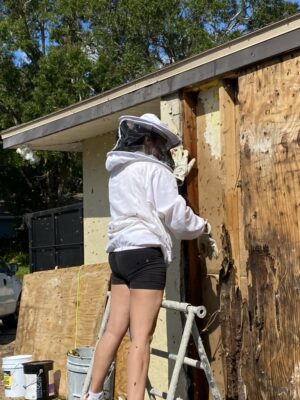
Once the wall was opened, the extent of the damage became clear. Large sections of honeycomb, wax, honey, and debris had built up inside the wall cavity. The moisture from the hive had also caused significant damage to the wood framing and sheathing.
This is a good reminder that bee infestations should never be ignored. What starts as a few bees entering a small opening can eventually become a large colony that causes expensive structural damage. We called in a bee keeper to safely remove and relocate it.
How Bees Get Inside a Home
Bees are always looking for safe places to build a colony. Small cracks, gaps around utility penetrations, roof intersections, vents, and damaged exterior finishes can all provide access points.
Once bees find a suitable opening, they begin building comb inside the wall cavity. Over time, the colony grows larger and larger. Many homeowners do not realize there is a problem until they hear buzzing inside the wall, see bees entering and exiting the same location, or notice honey leaking through the surface.
In Florida’s warm climate, bee colonies can thrive year-round, making regular inspections especially important.
The Hidden Damage Caused by Beehives
Many people think the biggest concern is getting stung. While safety is important, the hidden structural damage is often the larger issue.
A large hive can create several problems:
Moisture Damage
Honey and moisture can soak into surrounding materials. This can cause wood rot, mold growth, and deterioration of building components.
Damaged Wood Framing
When moisture remains trapped inside the wall, wood framing can weaken over time. In severe cases, structural repairs may be necessary.
Attraction of Other Pests
Old honeycomb and honey residue can attract ants, roaches, rodents, and other insects long after the bees are removed.
Staining and Odors
Honey can seep through drywall, stucco, or siding, causing stains and unpleasant odors inside the home.
The Beehive Removal Process
Removing a large hive requires more than simply getting rid of the bees. The entire colony, honeycomb, and contaminated materials must be removed.
In this project, the wall had to be opened to access the hive. Once exposed, the bee activity and damage could be fully evaluated. The honeycomb was carefully removed, along with damaged materials that could no longer be salvaged.
After removal, the area was cleaned thoroughly to eliminate remaining honey and wax. This step is important because leftover hive material can attract future colonies and other pests.
Repairing the Damaged Wall
Once the hive was removed professionally, attention turned to repairing the damaged structure.
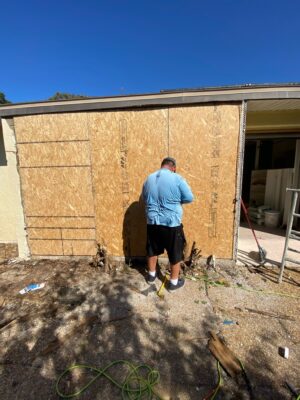
The damaged wood sheathing and affected materials were replaced as needed. The wall was then prepared for reconstruction and restoration. Any openings that allowed bees to enter were identified and sealed.
Proper repairs help restore the home’s appearance while preventing future infestations.
For homes with stucco exteriors, repairs may also include replacing damaged lath, waterproofing components, and stucco finishes to match the existing texture.
Preventing Future Bee Infestations
The best way to avoid costly repairs is to prevent bees from gaining access in the first place.
Homeowners should regularly inspect their property for:
- Cracks in stucco or siding
- Openings around pipes and utility lines
- Damaged soffits and fascia
- Gaps around windows and doors
- Roof and wall intersections
Sealing these openings can greatly reduce the chance of bees establishing a colony inside your home.
If you notice a steady stream of bees entering the same location, it is important to have the area inspected before the colony grows larger
Trust Experienced Professionals for Structural Repairs
Bee infestations can create problems that go far beyond pest control. Once a hive has been removed, the damaged building materials often require professional repair.
At Bells Creative Design, we specialize in repairing damaged exterior wall systems, including stucco restoration, waterproofing, structural repairs, stone installation, and exterior renovations throughout Florida.
Whether your home has suffered damage from moisture, pests, or hidden structural issues, we can help restore it properly and protect it for years to come.
Need Stucco or Exterior Repairs After Bee Damage?
Contact Bells Creative Design today to schedule an inspection and learn how we can restore damaged walls, improve waterproofing, and bring your home’s exterior back to its best condition.